Youtube Channel from PASC26
Direct link to the Youtube platform with all Plenary Room presentations at PASC26 >>
Direct link to the Youtube platform with all interviews held during PASC26 >>
About the Conference
The PASC26 Conference
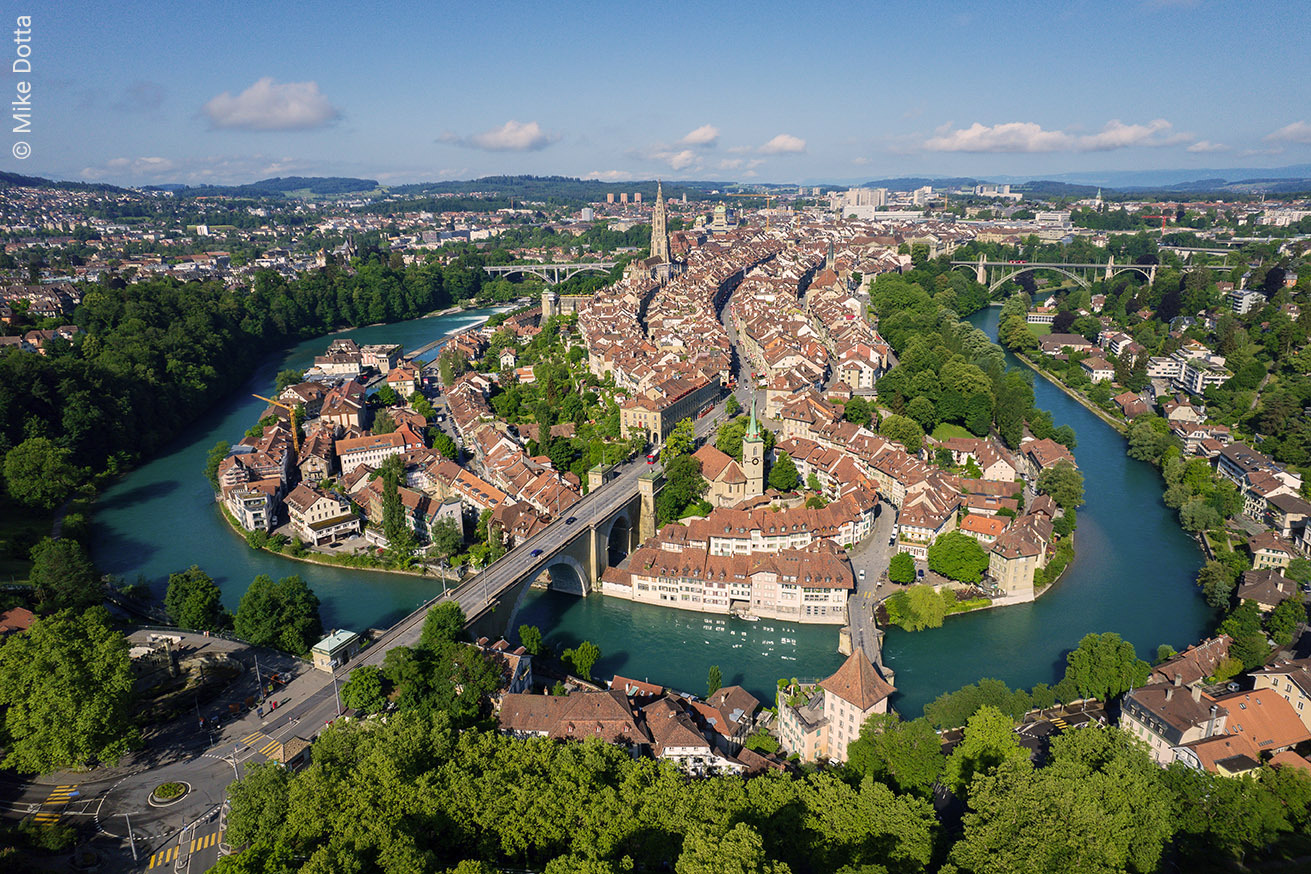
The Platform for Advanced Scientific Computing (PASC) Conference, co-sponsored by the Association for Computing Machinery (ACM) and the Swiss National Supercomputing Centre (CSCS), will be held from June 29 to July 1, 2026, at University of Bern & PHBern, Switzerland.
PASC26 Theme
Building Trust in Science through HPC Co-Design
High Performance Computing (HPC) co-design is realized through collaboration among individuals and teams who shape interoperability among hardware and software technologies, artificial intelligence, distributed computing infrastructure, advanced simulation and real-time data analysis.
As scientific discoveries and challenges grow in scale and complexity, enabled by high-fidelity mathematical models, cross-cutting artificial intelligence (AI), and the rise in computational capacity,
- How can we ensure trust in the methods, processes, and solutions derived through exascale-class co-design?
- How can we enable validated, reproducible, and reliable scientific results with HPC?
- How will co-design position HPC for future demands on scientific system trustworthiness?
- How can we strengthen societal trust towards the research ecosystems?
- Can the scientific computing community help deepen public communication regarding research findings?
We invite the PASC26 audience to join us in exploring topics such as:
- AI in medicine and healthcare: How do we work with doctors and patients to enhance confidence and reliability in diagnoses?
- Extreme weather event modeling and simulation: Can we demonstrate validity of our models to improve trust in reliability and efficacy in our results?
- Energy assurance and security: What role does co-design play in developing reliable and resilient infrastructure?
- Epidemiological and disease modeling: How does co-design contribute to timely communication of results?
- Digital Twins and Collaborative Virtual Environments: How can we visualize, interact, and experience scientific phenomena meaningfully and in ways that reduce uncertainty in our understanding?
Conference Chairs

Dominik Obrist
University of Bern, Switzerland
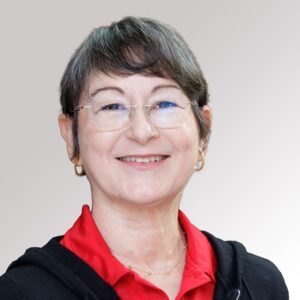
Elaine M. Raybourn
University of Central Florida, US
Plenary Sessions